If you’ve already invested in the ergonomic chair, the noise-canceling headphones, and the private tutor, there is likely one “silent” bottleneck left in your child’s study suite: The Lighting.
Most parents grab a standard LED desk lamp and call it a day. But after an hour of trigonometry under a $40 light, the squinting starts. Then comes the “study fatigue,” the headaches, and the mid-session burnout.
When we look for the “best lamp for studying,” we aren’t just looking for brightness. We are looking for visual endurance. Here is how the top contenders for 2026 stack up, and why the “pro” choice is shifting away from the desk entirely.
1. The Gold Standard: Waldmann LAVIGO.core Home
Most “study lamps” are toys compared to German industrial engineering. Waldmann took the same technology they use in European surgical suites and high-end architecture firms and shrunk it down for the home.
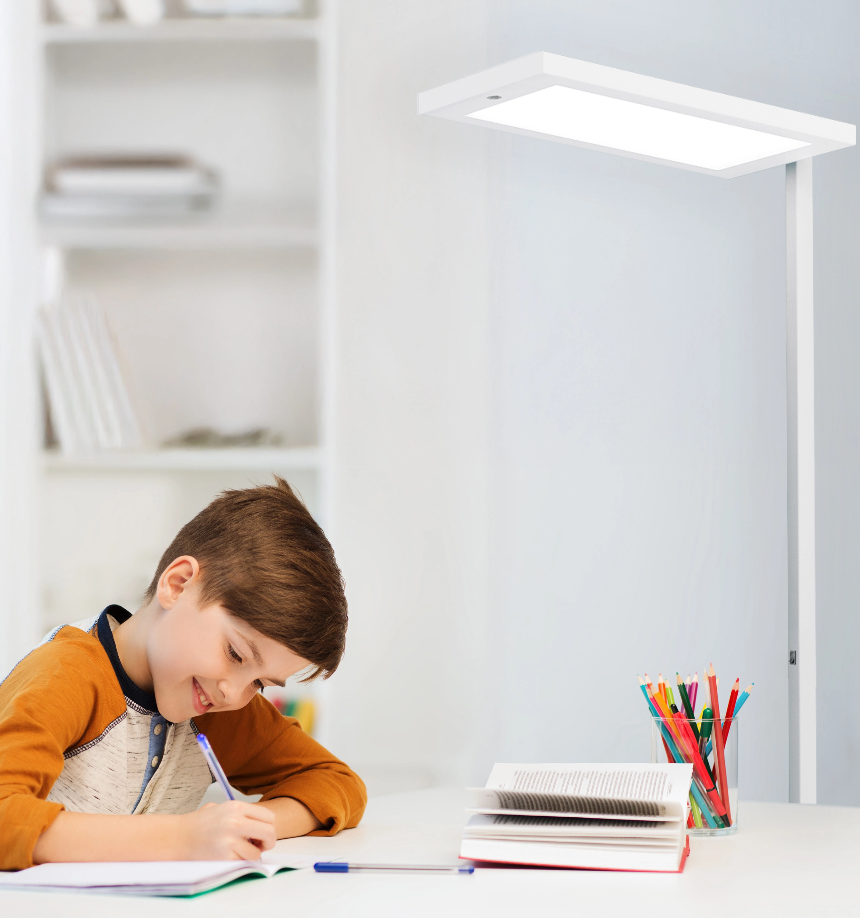
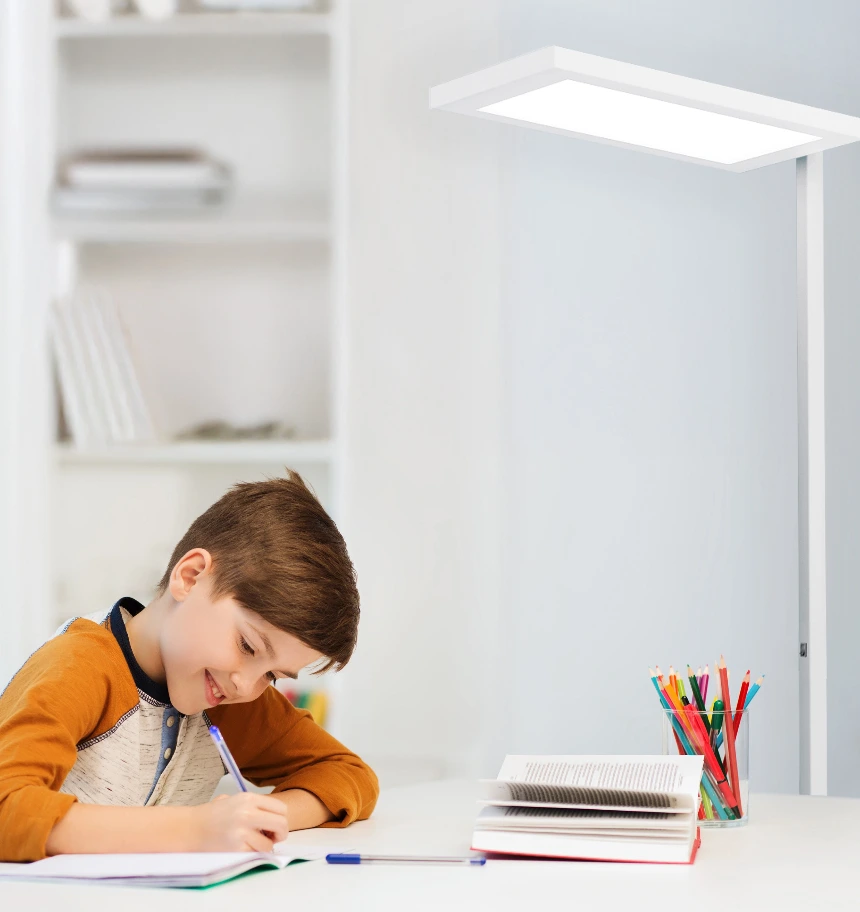
- Why it wins: It’s a floor-standing unit. By placing the light source above and behind the workspace, it eliminates the “hot spots” and harsh shadows that desk lamps create.
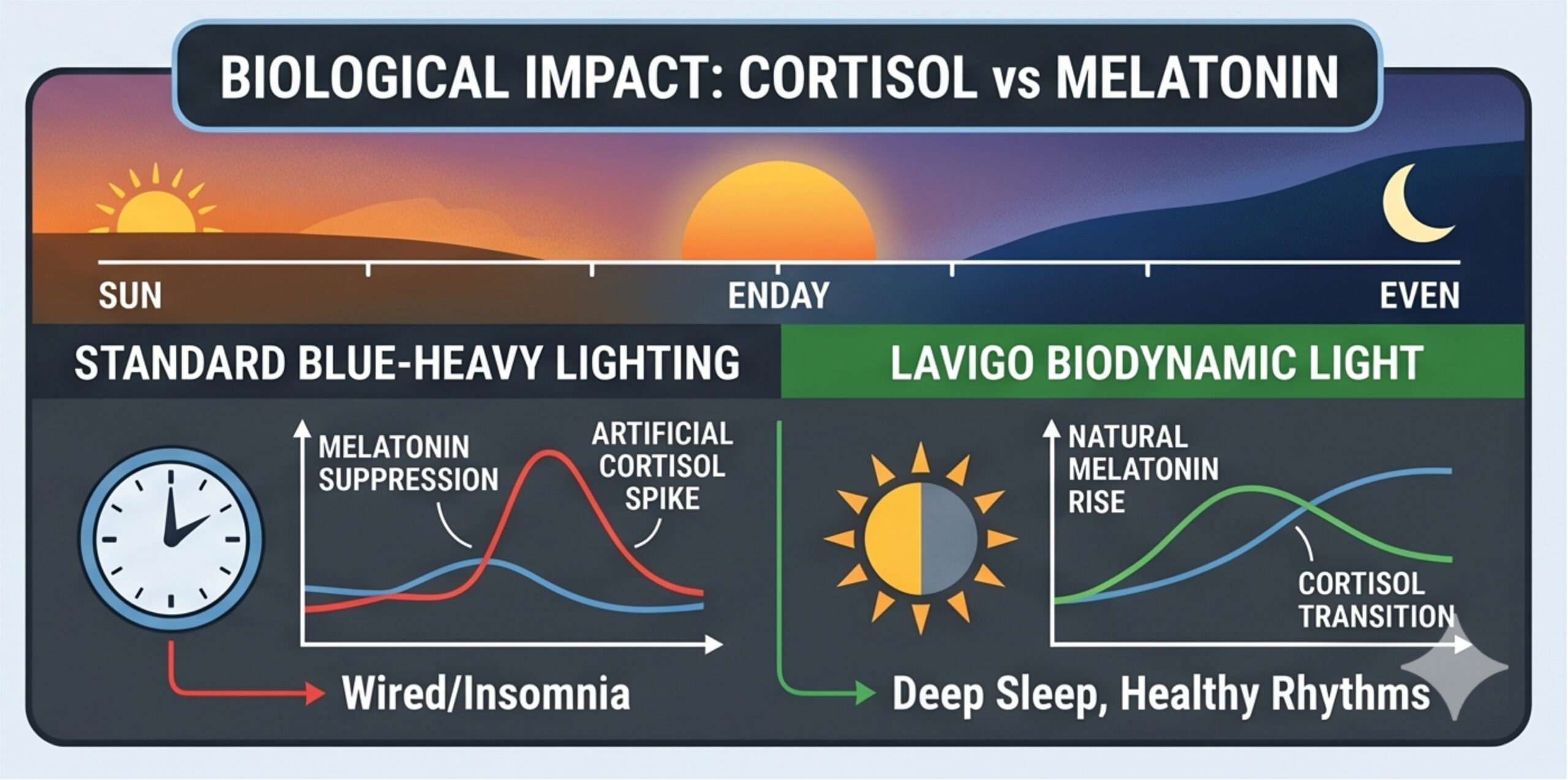
- The “Secret Sauce”: Flicker-free technology. Most LEDs have a microscopic pulse that tires the brain. Waldmann’s drivers are engineered to be biologically neutral.
- The Investment: It comes with a 20-year warranty. This isn’t a lamp you replace; it’s the light they use from middle school through their Bar Exam.
2. The Smart Contender: Honeywell Smart Lighting
Honeywell offers a solid range of “smart” floor lamps that appeal to the tech-focused home. They are great for variety, offering 3–4 different models with app integration.
- The Pros: Easy to dim and often compatible with home automation.
- The Cons: It’s a consumer-grade product. While it looks similar to professional architectural lighting, the internal components (the “drivers”) don’t offer the same medical-grade consistency as specialized German manufacturers.
3. The Minimalist Choice: BenQ MindDuo
A popular choice for those who want a lamp that clamps directly to the desk. It has an “auto-dimming” feature that adjusts based on ambient light.
- The Pros: Great for tiny desks where floor space is zero.
- The Cons: It’s still a desk lamp. You’re still dealing with a footprint on the workspace and potential glare on digital screens.
4. The “Design” Pick: Dyson Solarcycle Morph
Dyson is known for aesthetics and high-tech tracking. It tracks local daylight and adjusts its color temperature accordingly.
- The Pros: Stunning design and very high “cool” factor for a modern bedroom.
- The Cons: You are paying a heavy “design tax.” In terms of raw light quality and the sheer volume of “lumens-per-dollar,” it struggles to compete with industrial-grade units.
5. The Budget Pick: Taotronics LED Desk Lamp
The “Amazon Special.” It’s fine for a dorm room where the risk of it being knocked over or stolen is high.
- The Pros: Extremely cheap.
- The Cons: High flicker rates and “blue-light” spikes that can disrupt sleep patterns if used late at night.
The Verdict: Why “Floor-Standing” is the New “Best”
If you search for the “best lamp for studying,” 90% of the results will be lamps that sit on the desk. That’s a mistake.
Professional environments (think high-end law firms or engineering offices) use indirect/direct floor lighting like the LAVIGO.core Home. Here’s why:
- Uniformity: It bathes the entire room in soft light while focusing a flicker-free beam on the desk.
- No Shadows: Because the light comes from a higher angle, your child’s hand doesn’t cast a shadow over their notebook while they write.
- Zero Clutter: It clears the desk for what matters: books, laptops, and coffee.
Exclusive Launch Offer
Waldmann is currently making its first direct-to-consumer push in the U.S. To celebrate, they are offering $200 off the LAVIGO.core Home for a limited time.
If you’re ready to stop “patching” their study environment and start optimizing it, this is the place to start.