Compare traditional desk lamps, monitor light bars, and dual-direction floor units to find the best lamp for studying. Learn how the right setup eliminates page glare, prevents hand shadows, and keeps eyes relaxed during late-night study sessions.
When setting up a productive study space, most parents and students invest heavily in ergonomic chairs or expensive laptops, completely overlooking the single factor that impacts focus most: lighting.
Using the wrong light during late-night study sessions causes severe eye fatigue, headaches, and physical slouching. Searching for the best lamp for studying can feel overwhelming with thousands of options available. This guide breaks down the core science of lighting and compares standard options to help you choose the right setup.
What Makes the Best Study Lamp? (The 4 Core Metrics)
Before looking at specific designs, every high-performing study light must meet four visual comfort standards:
- Glare Reduction: Direct light bouncing off white textbook pages or laptop screens forces eyes to squint, creating visual fatigue within 30 minutes.
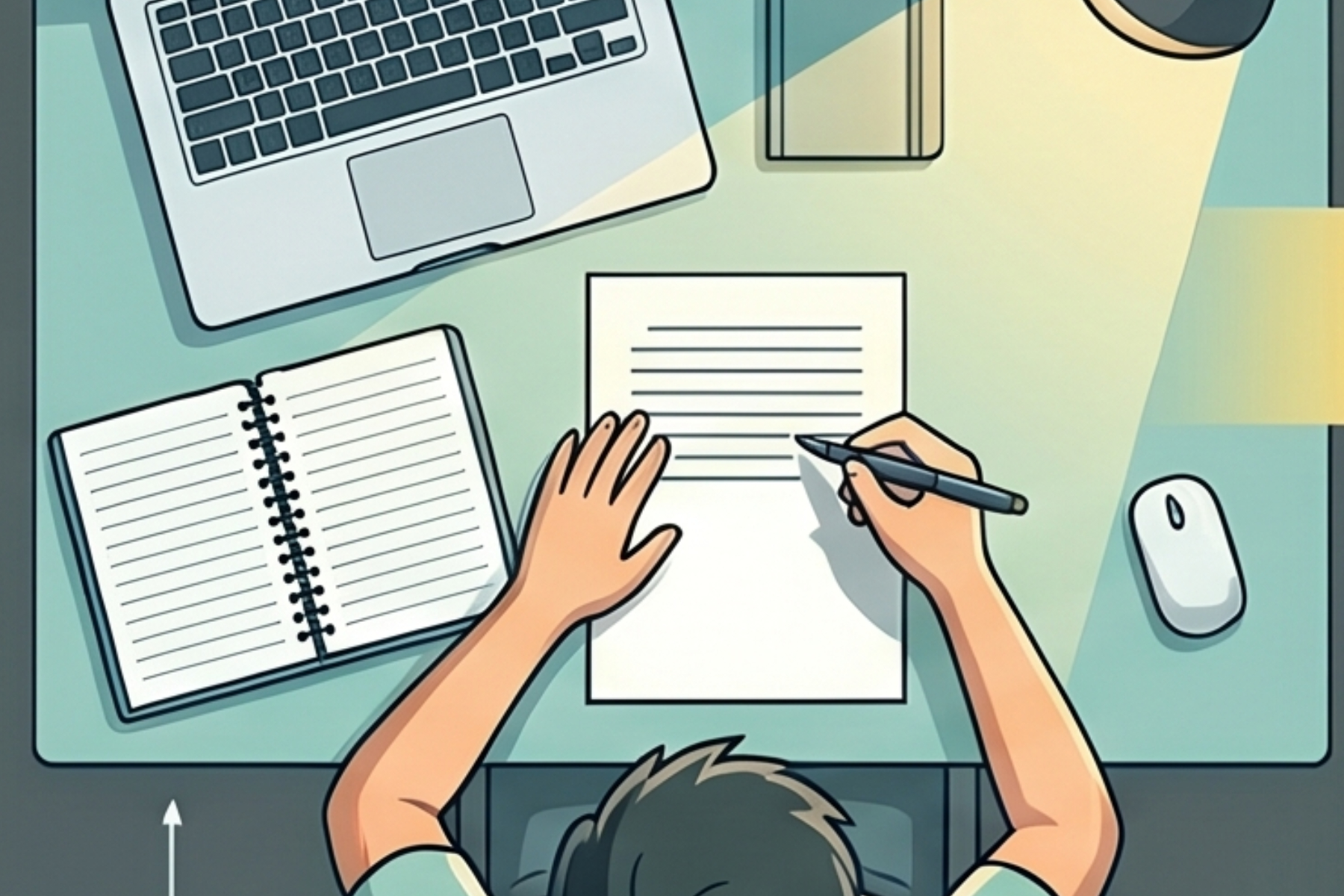
- Shadow Prevention: When a student writes, their hand should not cast a dark shadow directly across the page.
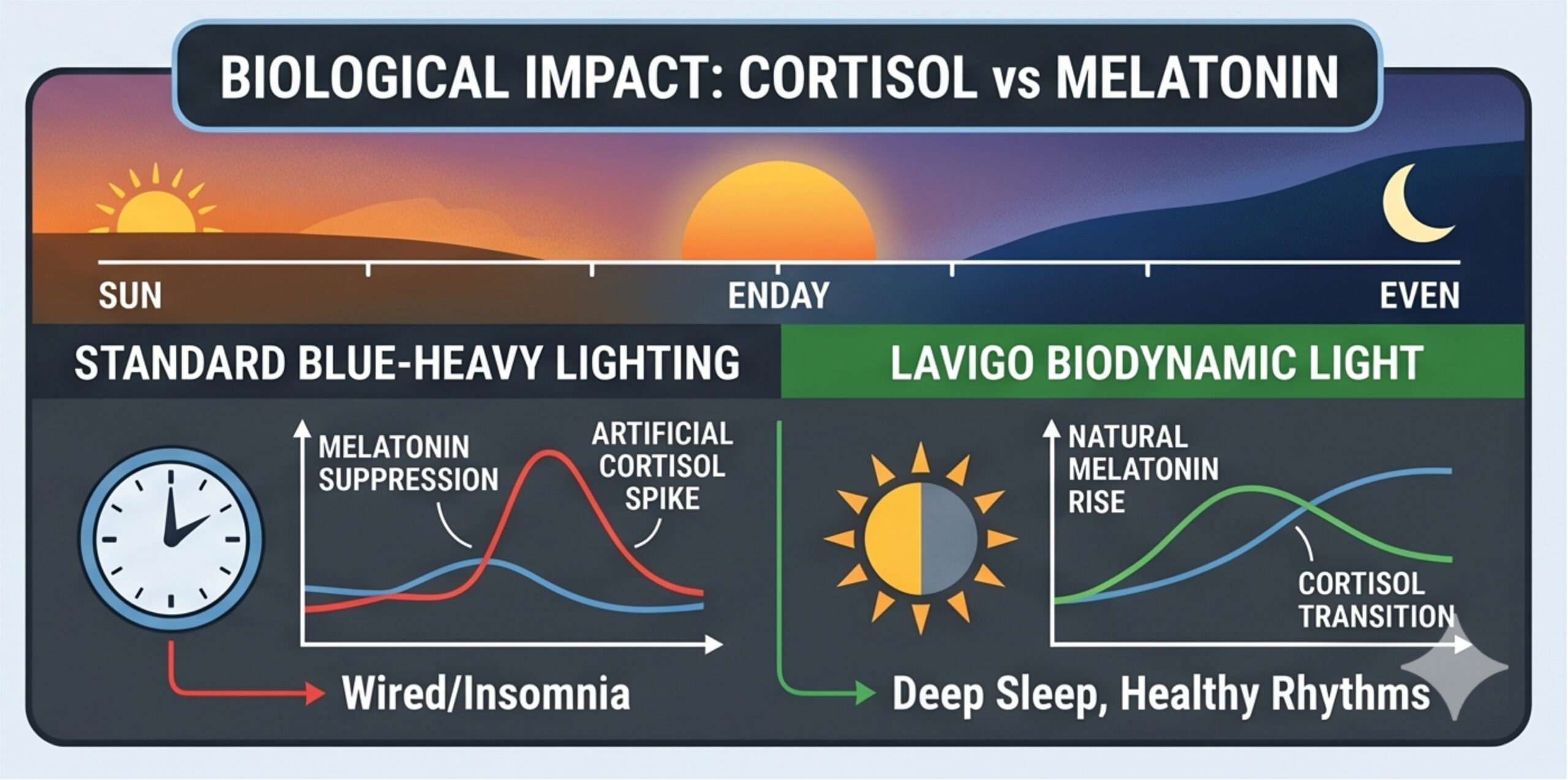
- High Color Rendering Index (CRI): A CRI above 90 delivers daylight-quality illumination, keeping the brain alert without straining vision.
- Contrast Balance: The light must bridge the gap between the bright desk surface and the dark corners of the surrounding room.
Comparing Your Options: Desk Lamps vs. Floor Study Units
1. Traditional Direct-Beam Desk Lamps
Traditional desk lamps are the most common choice, but they act like spotlights. They flood a small 12-inch circle with bright light while leaving the rest of the room dark.
- Pros: Compact, inexpensive, widely available.
- Cons: Causes intense glare, creates dark hand shadows, and leaves zero space on small desks.
2. Monitor Light Bars
Light bars clip onto the top of a computer screen to illuminate the keyboard area.
- Pros: Saves desk space, great for purely screen-based tasks.
- Cons: Ineffective for paper-based studying, reading textbooks, or writing by hand.
3. Dual-Direction Floor Study Lamps
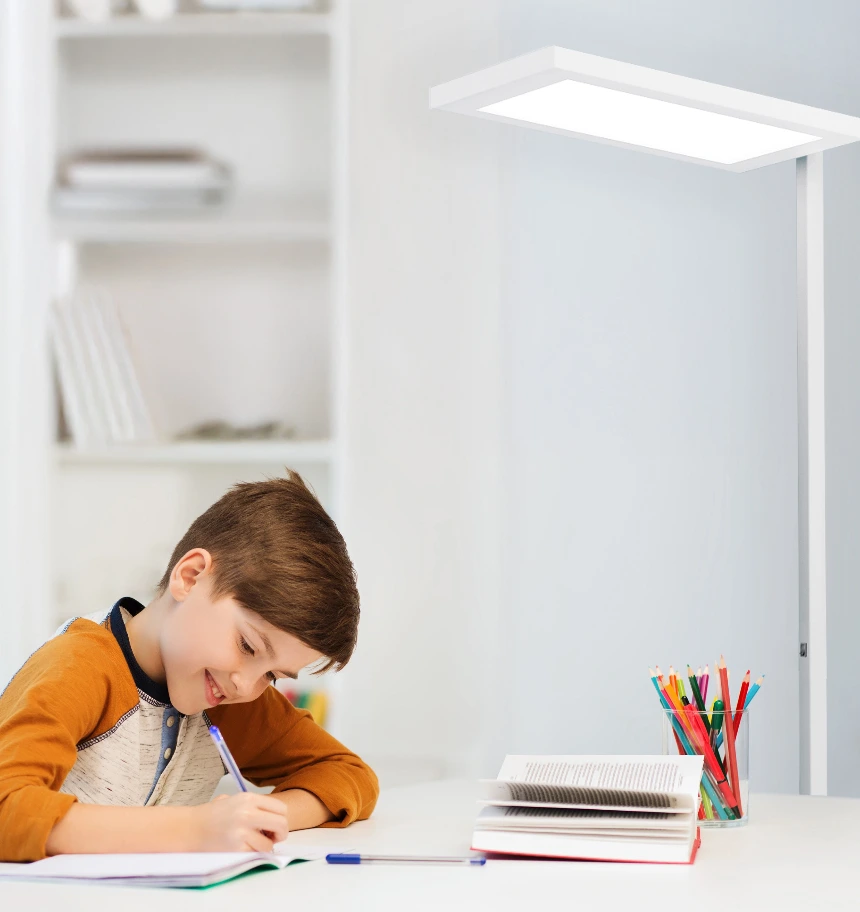
Dual-direction floor units stand beside the desk and project light both upward onto the ceiling and downward onto the workspace.
- Pros: Completely eliminates desk clutter, distributes shadow-free light across the entire room, and prevents pupil fatigue.
- Cons: Higher initial investment than basic plastic desk lights.
Why Balanced Lighting Wins for Long Sessions
When a student uses a standard desk lamp for studying, their pupils constantly dilate and contract as their eyes shift from a bright textbook to a dark room corner. This rapid pupil movement is the primary cause of late-night study burnout.
An advanced German floor study lamp solves this problem by washing the ceiling with soft indirect light while directing precise, flicker-free illumination straight down onto the paper. The result is a balanced room environment that feels like natural daylight, allowing students to maintain deep concentration for hours without eye strain.
Summary: Setting Up for Success
If your student spends hours reading textbooks, writing papers, or working on complex assignments late into the evening, upgrading from a basic clip-on light to an architecturally balanced floor study lamp is one of the most effective ways to protect their eyesight and support deep focus.